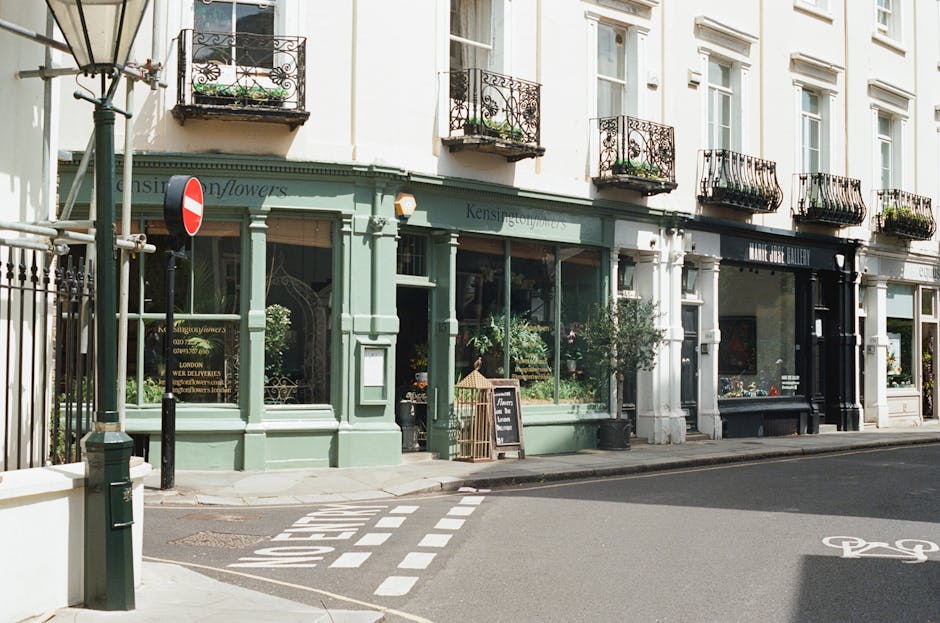
South Kensington station area garden waste guide for gardeners
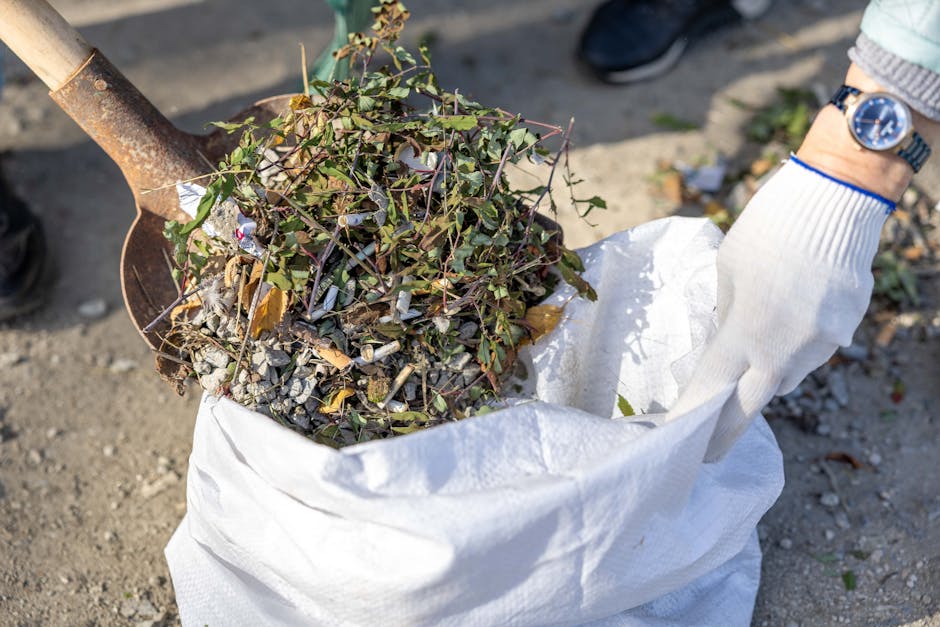
If you garden around South Kensington station, you already know the work is rarely just about plants. There are tight paths, shared access, lift-lobby style awkwardness, little front courts, basement mews spaces, and the constant challenge of getting green waste out without making a fuss. This South Kensington station area garden waste guide for gardeners is here to make that part easier: what to do with clippings, soil, branches, ivy, old compost, and the odd pile of soggy leaves after a wet London week.
Truth be told, garden waste can become the messy part nobody talks about until it is right there in the way. The good news? With a sensible routine, the right sorting method, and a bit of local awareness, you can keep a garden tidy, comply with expected good practice, and avoid those last-minute "where is all this going?" moments. Let's get into the practical stuff.
Why South Kensington station area garden waste guide for gardeners Matters
South Kensington has a very particular rhythm. It is busy, elegant, compressed, and often not built for bulky garden jobs. That matters because garden waste is easier to manage when the whole workflow is thought through before the first cut is made. If you start pruning a border, taking down a hedge, or clearing a neglected courtyard without a disposal plan, the clean-up can overtake the job itself.
For gardeners working near the station area, a good waste plan saves time, reduces stress, and keeps shared access looking professional. It also helps avoid the classic problem of bags piling up in a front garden, only for rain to turn them into half-drenched, heavy bundles that nobody wants to carry down stairs. Not ideal. Not even slightly.
It also matters for presentation. In a dense London neighbourhood, residents and clients notice tidy work. A garden can be beautifully cut, but if the waste is left scattered or the bin area looks chaotic, the whole job feels unfinished. That is why many gardeners treat waste handling as part of the service, not an afterthought.
For more structured support with bigger clear-outs, it can be helpful to look at garden clearance as part of the wider workflow, especially when a garden has more than routine clippings to deal with.
How South Kensington station area garden waste guide for gardeners Works
In practical terms, the process is simple: separate the waste, reduce the volume where possible, store it safely, and remove it efficiently. The details are where things get easier or harder. A light hedge trim is one thing. A full seasonal cutback after a wet spell is another entirely.
Most garden waste falls into a few common groups:
- Soft green waste such as grass cuttings, leaves, weeds, and herbaceous trimmings
- Woody waste such as hedge branches, prunings, and thicker stems
- Bulky organic waste such as root balls, shrubs, and small tree debris
- Contaminated material such as soil mixed with rubble, plastic ties, or old pots
Each type needs slightly different handling. Soft waste compacts fast and can become smelly if left in sealed bags. Woody material takes up space but is easier to stack neatly. Soil is heavy, which sounds obvious until you are carrying it down three flights of steps. Then it becomes memorable very quickly.
In the South Kensington station area, access is often the deciding factor. Narrow passageways, basement gardens, and shared entrances mean waste should be staged in manageable loads. If possible, cut larger material down at source before moving it. That small extra step saves a lot of awkward lifting later.
For gardeners who handle regular maintenance rather than one-off clearances, a planned routine through garden maintenance can keep waste volumes consistent and far more manageable.
Key Benefits and Practical Advantages
Getting garden waste right is not just about looking tidy. There are some very real advantages for both gardeners and clients.
- Cleaner working spaces: Less clutter underfoot means fewer trips, fewer slips, and a calmer job overall.
- Faster turnaround: A waste plan prevents the "pile it all somewhere for now" spiral.
- Better client confidence: People notice when a gardener leaves a place neat, not just well-cut.
- Reduced contamination: Separating green waste from plastics and soil improves recycling potential.
- Less strain on access routes: Especially important where gardens connect to shared hallways or tight side passages.
- More predictable disposal costs: Volume control usually means fewer surprises.
There is also a reputational benefit. Gardeners who manage waste cleanly tend to be remembered as organised and careful. That may sound like a small thing, but in a neighbourhood where recommendations matter, it is not small at all.
For larger projects, it can make sense to combine waste handling with broader outdoor improvements such as landscape gardening or landscaping, so the site is improved in one coherent visit instead of piecemeal visits that keep creating extra waste.
Who This Is For and When It Makes Sense
This guide is useful for a few different people, and each one will have slightly different priorities.
- Independent gardeners: If you manage private clients around South Kensington, a tidy waste system helps you work faster and more professionally.
- Property managers: Shared gardens, managed buildings, and periodic upkeep all generate waste that needs a sensible route out.
- Homeowners and tenants with gardens: If you only garden at weekends, the big question is often what to do with the pile once the job is done.
- Landscapers and maintenance teams: Heavier jobs need planning, especially when working on a time window or around access restrictions.
It makes the most sense when the work includes any of the following: hedge cutting, lawn scarifying, border clear-outs, ivy removal, deadheading after a long dry spell, or cutting back growth that has got away from you. You know the sort of thing. One minute it looks manageable, the next there is a mountain of green waste and a faint sense of regret.
If the work is mostly routine mowing, the waste stream stays lighter, but it still needs handling properly. That is where lawn mowing services and a simple grass-cutting disposal routine can keep things under control week after week.
Step-by-Step Guidance
Here is a straightforward way to handle garden waste around the South Kensington station area without making a meal of it.
- Assess the waste before you start. Walk the garden and identify what is coming off the site. Check for branches, soft cuttings, soil, old ties, broken pots, and anything non-organic.
- Set up sorting zones. Use separate piles or bags for green waste, woody waste, and non-compostable materials. Do not mix everything together unless you enjoy heavier, messier loads later.
- Reduce volume early. Chop branches, crush soft material lightly, and remove air from bags where possible. Shorter material stacks better and moves more safely.
- Keep paths clear. This is especially important in narrow access gardens. Leave a clear route for carrying waste out, even if it means the job takes a few extra minutes to stage.
- Use suitable containers. Strong sacks, reusable tubs, and well-tied bundles are usually better than overfilled bags that split at the worst possible moment.
- Remove waste regularly during the job. Do not leave the big pile until the end if the site is tight. Small, frequent clear-outs are much easier on the body.
- Finish with a final sweep. Check for stray twigs, mud, and bits of compost around thresholds and paving. It is the little things that make the job look properly done.
A good rule of thumb: if you would not want to carry it down a staircase in one go, it is too heavy. Break it down. Really, break it down.
Expert Tips for Better Results
After enough garden clear-ups, you start to notice the same patterns. A few small habits make waste handling far smoother.
1. Work from dry to damp, not the other way around
Dry clippings are easier to bag and weigh less. If you can do the light cutting first, do it. Once wet leaves and soaked trimmings start building up, everything becomes more awkward. A cool morning in London can look harmless, then by lunch the bags are twice as heavy.
2. Separate woody and soft waste early
Woody branches help define the load and are often easier to stack neatly. Soft waste compresses into a different kind of mess. Keeping them apart helps with both lifting and disposal.
3. Use the site itself to your advantage
If the garden has a flat hardstanding area, stage the waste there. If it has steps, avoid overloading the route. Think like a mover, not just a gardener. That is usually the difference between a calm finish and a slightly chaotic one.
4. Protect surfaces
Old stone flags, timber decking, and pale paving can stain or scratch easily. A bit of forethought with tarps or careful placement goes a long way. If decking is part of the garden, it helps to coordinate waste handling with the condition of the surface itself, especially around decking services.
5. Keep an eye on safety
Wet leaves and loose soil can be slippery. Sharp prunings can snag gloves. And yes, that one thorn you missed will somehow find skin. It always does. Small safety habits matter more than dramatic ones.
If you are dealing with thicker growth, it may be worth including hedge trimming or tree lopping and removal in the wider plan so that pruning waste is handled in a controlled, predictable way rather than all at once.
Common Mistakes to Avoid
Most waste problems are not dramatic. They are just small mistakes repeated until they become a headache.
- Mixing everything together: This makes recycling harder and often increases disposal effort.
- Overfilling bags: A bag that looks fine on the ground can become impossible on stairs.
- Leaving waste in access routes: In a busy area, even a short delay can become an obstacle for residents or neighbours.
- Ignoring soil contamination: If you dump rubble, stones, plastic and compost together, the load becomes awkward and less reusable.
- Waiting until the end to sort: By then, the pile has usually grown. A lot.
- Forgetting weather conditions: A damp afternoon can double the weight of a supposedly light clearance.
One of the most common issues in tight urban gardens is simply underestimating access time. You may think the waste can be moved in ten minutes. Then the gate sticks, the bag splits, and there is a brief silent pause while everyone looks at the mess. Not fun, but fixable.
Tools, Resources and Recommendations
You do not need a van full of specialist kit, but the right basics help a great deal.
| Tool or resource | Best use | Why it helps |
|---|---|---|
| Heavy-duty garden sacks | Leaves, grass, light pruning | Reliable for everyday green waste and easier to carry than weak bin bags |
| Tarpaulin | Collecting and dragging loose waste | Good for moving bulky material without scattering it |
| Secateurs and loppers | Reducing branch size | Helps compact waste before moving it out |
| Gloves with grip | Handling thorny or damp material | Improves safety and control |
| Reusable tubs or trugs | Small loads and mixed debris | Useful in tight spaces where bags are awkward |
For gardeners who prefer to keep waste recovery and sustainability front of mind, the recycling and sustainability page offers a useful way to think about responsible disposal habits and lower-waste working methods.
If you are organising a bigger project or need support across several tasks, it can help to review the broader services overview so the work is planned as one joined-up job rather than several disconnected visits.
Law, Compliance, Standards, or Best Practice
Garden waste handling in the UK is not something most people think about until they have a load to move. The key point is simple: waste should be managed responsibly, kept separate where practical, and handled in a way that avoids nuisance, obstruction, or unsafe storage.
In real-world terms, that means you should aim to:
- avoid placing waste where it blocks shared access
- keep potentially slippery debris off walkways
- prevent waste from becoming unsightly or attracting pests
- separate organic material from non-organic contamination where possible
- follow the expectations of the property owner or managing agent if you are working on shared premises
For professional gardeners, best practice also includes clear communication. If waste removal is included, say what is covered. If a job will produce more than usual volume, explain that early. No one enjoys surprise bins, surprise charges, or surprise heaps by the gate.
Safety and reliability matter too. If you are hiring help, it is sensible to check that the business has clear policies around safety and service expectations. Pages such as health and safety policy, insurance and safety, and terms and conditions can help set expectations before work begins. That kind of clarity is boring, in a good way.
Options, Methods, or Comparison Table
There is more than one way to manage garden waste in and around South Kensington station. The best option depends on volume, access, and how quickly the waste needs to disappear.
| Method | Best for | Pros | Trade-offs |
|---|---|---|---|
| On-site bagging | Routine maintenance and small clear-ups | Simple, flexible, low equipment need | Can become awkward if bags are overfilled |
| Bundling branches | Hedge and shrub cuttings | Compact, tidy, easier to stack | Not ideal for soft green waste |
| Mixed-load removal | Large clearances with varied waste types | Efficient for one-off jobs | Needs careful sorting to avoid contamination |
| Phased removal | Tight access or shared premises | Less disruption, safer lifting | Takes longer overall but often works better on site |
For most gardeners in this part of London, phased removal is the quiet winner. It may not sound glamorous, but it keeps things under control. And that is what the job needs more often than not.
Case Study or Real-World Example
Here is a realistic example from a compact courtyard-style garden near South Kensington station. The space had a mature hedge, a patchy lawn, and several beds that had been left a bit too long between tidy-ups. Nothing dramatic, just the kind of job that looks manageable until the cuttings start coming off.
The gardener began by trimming the hedge in stages, then moved the woody waste into one pile and soft clippings into another. Because access to the rear was narrow, the waste was cleared in smaller loads rather than left in one big mound. That meant the work area stayed safe and visitors to the property could still use the main path without stepping around debris.
There was one slightly annoying moment when a bag caught on an uneven paving edge. Nothing major, just a reminder that urban gardens have their own little tricks. The solution was to switch to smaller loads and use a tarp for the remaining material. The finish was clean, the client was spared the sight of a half-collapsed heap, and the gardener left the site looking calm rather than conquered.
That is really the point. Waste handling is not a dramatic skill, but it changes how the whole job feels.
Practical Checklist
Use this checklist before, during, and after a garden job near South Kensington station.
- Check access routes and identify any tight points
- Separate green waste, woody waste, and non-organic debris
- Bring enough sacks, straps, gloves, and a tarp if needed
- Plan where waste will be staged before removal
- Cut branches and long stems down to manageable lengths
- Avoid overfilling bags or making unstable piles
- Keep paths and shared entries clear
- Remove waste regularly during the work, not only at the end
- Inspect the area for stray clippings and slippery patches
- Confirm any client expectations about disposal and cleanup
Expert summary: The best garden waste plan is the one that matches the site. In South Kensington, that usually means smaller loads, cleaner sorting, and a calm, staged removal process rather than trying to shift everything in one heroic go.
If you want to talk through a garden clearance or routine maintenance plan, the simplest next step is to contact a local team and be clear about the amount of waste, the access route, and the finish you want. A good conversation at the start saves a lot of awkward lifting later.
Get a free quote today and see how much you can save.
Conclusion
A sensible South Kensington station area garden waste guide for gardeners comes down to planning, sorting, and keeping the site workable from start to finish. When you treat waste as part of the job rather than the aftermath, everything becomes easier: the garden looks better, the access stays clear, and the whole process feels far more professional.
That is especially true in a busy, compact part of London where every bit of space matters. A neat pile, a clear path, a tidy finish - it all counts. And honestly, it shows. The difference between a rushed clearance and a well-managed one is usually in those small choices nobody sees unless they know what to look for.
If you keep the process steady and practical, garden waste stops being the annoying bit and becomes just another part of good gardening. Simple really. Not always easy, but simple.
Frequently Asked Questions
What counts as garden waste for gardeners in South Kensington?
Garden waste usually includes grass cuttings, leaves, weeds, hedge trimmings, prunings, small branches, old plants, and other organic material removed during garden work. Soil and contaminated debris should be treated separately.
How should I handle garden waste in a small courtyard or basement garden?
Break it into smaller loads, keep a clear access route, and stage the waste close to the exit point before moving it out. In tight spaces, phased removal is usually safer and less stressful.
Can I mix soil with green waste?
It is better not to. Soil adds a lot of weight and can contaminate otherwise recyclable green waste. Keep it separate if you can, especially when the soil contains stones, rubble, or plastic fragments.
What is the best way to reduce garden waste volume?
Cut branches down early, compress soft waste carefully, and separate woody material from damp clippings. The less air and bulk in the load, the easier it is to move and dispose of properly.
Is garden waste removal included in regular maintenance?
Sometimes it is, sometimes it is not. It depends on the service arrangement and the amount of waste produced. Always confirm what the quote covers before work begins.
How often should garden waste be cleared away?
For routine maintenance, it is best to remove waste as you go or at the end of each visit. For larger jobs, clearing in stages helps keep the site safe and manageable.
What should I do with wet leaves and damp clippings?
Bag them carefully, avoid overfilling, and try to move them sooner rather than later. Wet material gets heavy fast, and it can become slippery on paving or steps.
Are there special issues with waste near shared entrances?
Yes. Shared entrances need to stay clear, tidy, and safe. Waste should never block the route or create a mess that affects neighbours or building users.
How do I know whether to book garden clearance or routine maintenance?
If the waste is part of an occasional larger build-up, garden clearance makes sense. If you are dealing with regular clipping and tidying, maintenance is the more natural fit.
What safety steps matter most during waste handling?
Wear gloves with grip, keep walkways clear, do not lift more than is sensible, and watch for slippery surfaces. Small hazards add up quickly when you are carrying loads through narrow spaces.
Do I need to worry about compliance when disposing of garden waste?
Yes, at a practical level. Waste should be managed responsibly, stored safely, and removed without causing obstruction or nuisance. For professional work, clear communication and safe handling are part of good practice.
What is the biggest mistake gardeners make with waste in this area?
Trying to do too much in one go. In compact London gardens, the job usually goes better when waste is sorted early, moved in stages, and kept under control throughout the visit.
About the team and our approach to careful, practical garden work can help you decide whether you need regular upkeep or a one-off clean-up. For direct help, the best next step is to get in touch and talk through the site in plain English.