What to Know About Access Issues for Brompton Garden Maintenance
If you are arranging garden care in Brompton, access can make the difference between a smooth visit and a frustrating one. Narrow side passages, awkward gate latches, shared entrances, basement steps, courtyard layouts, and limited parking all shape how garden maintenance is delivered. In other words, the job is rarely just about the plants. It is about getting the right people, tools, and waste out to the garden safely, quickly, and without upsetting neighbours.
This guide explains what to know about access issues for Brompton garden maintenance, why they matter, how professionals usually handle them, and what you can do before the team arrives. Whether you are booking regular upkeep, a one-off tidy-up, or a larger seasonal visit, a little planning goes a long way. To be fair, it often saves more time than people expect.
We will also cover practical risk points, common mistakes, a simple checklist, and the kinds of service details worth checking before you confirm a quote. If you want broader context on the work itself, you may also find the services overview and the main garden maintenance service helpful.
Table of Contents
- Why access issues matter for Brompton garden maintenance
- How access is assessed and managed
- Key benefits of planning access properly
- Who this is for and when it makes sense
- Step-by-step guidance
- Expert tips for better results
- Common mistakes to avoid
- Tools, resources and recommendations
- Law, compliance, standards, or best practice
- Options, methods, or comparison table
- Case study or real-world example
- Practical checklist
- Conclusion
- Frequently asked questions
Why access issues matter for Brompton garden maintenance
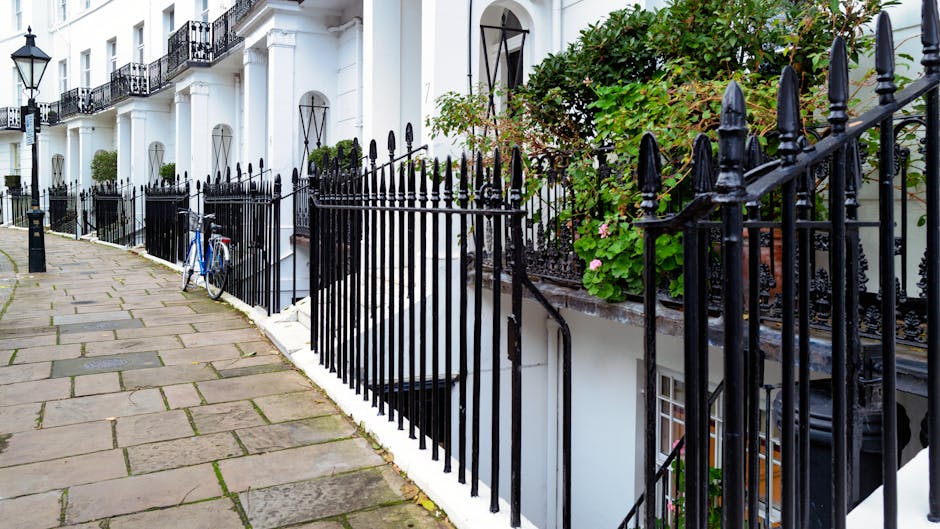
Access problems can turn a straightforward maintenance visit into a slower, noisier, and more expensive job. In Brompton, where properties may sit behind tight front gardens, basement lightwells, mews-style layouts, or shared walkways, the route to the work area matters almost as much as the work itself.
Why? Because every extra obstacle affects the whole service. A gardener may need to carry tools by hand instead of using a barrow. Waste might need to be bagged in smaller loads. A mower or hedge trimmer may need to be chosen specifically for the space, not simply for power. And if large materials cannot fit through the entrance, the whole plan may need adjusting before the first cut is even made.
Access also affects safety. Uneven steps, slick paving, low walls, or overgrown paths can create trip hazards. If a job includes heavier tasks such as garden clearance, hedge reduction, or tree-related work, poor access can add risk very quickly. That is why good contractors ask the awkward questions early. It is not fussy. It is sensible.
There is also the neighbour factor. In dense London streets, a pile of green waste on the pavement or repeated trips through a shared entrance can create tension if the visit has not been thought through. Clear access planning helps the job feel calm and professional, which matters more than people sometimes realise.
How access is assessed and managed
Access planning usually starts before anyone arrives on site. A good provider will try to understand the layout first: gate widths, locked areas, steps, alleyways, storage space for tools, and whether there is room to move waste without damaging surfaces or plants.
In practice, this often happens in one of three ways:
- Initial enquiry questions - you describe the layout, and the team identifies likely issues straight away.
- Photos or a site visit - useful where the entrance is awkward or the garden is not visible from the front.
- On-the-day review - sometimes the final access check happens when the crew arrives, especially for regular maintenance.
Once access is understood, the method changes accordingly. A small courtyard may suit hand tools, compact bags, and lighter pruning. A long shared passage may require careful timing so the team does not block the route. A heavily overgrown garden may need a staged approach: clear the path first, then maintain the beds, then remove waste. Simple, really, but it avoids chaos.
It is also common to combine maintenance with other services when access is awkward. For example, if the garden needs both tidying and a larger cut-back, a team may organise hedge work, mowing, or clearance in a sequence that reduces repeated carrying. If you are considering that kind of combined visit, it can help to look at related options such as hedge trimming, lawn mowing, or garden clearance.
Key benefits of planning access properly
Good access planning does not only help the gardener. It helps you as the homeowner, landlord, tenant, or property manager. Here are the main advantages.
- Less disruption - shorter visits, fewer repeated trips, and less noise in shared spaces.
- Better pricing accuracy - the quote is more likely to reflect the real amount of labour and time involved.
- Reduced risk of damage - narrow entries and fragile paths are protected more effectively.
- Safer working conditions - fewer trip hazards and clearer movement routes for tools and waste.
- Cleaner results - when access is well planned, the finish tends to be tidier too, because the team can work methodically.
- Better neighbour relations - a considerate setup matters in Brompton, where properties are often close together.
There is a quiet benefit too: the job feels more professional. You know the sort of thing - someone arrives, understands the space, works around it without drama, and leaves it looking like the garden has had a proper refresh rather than a hurried once-over.
Who this is for and when it makes sense
Access issues affect more people than you might think. This is not just for owners of tricky townhouses or basement flats. It applies to anyone whose garden is not instantly reachable with standard equipment.
Typical situations where access needs extra thought
- Homes with narrow side passages or shared entrances.
- Properties with locked gates, buzzer access, or timed entry.
- Courtyard gardens and small enclosed spaces.
- Raised terraces, split-level gardens, or basement-level outdoor areas.
- Gardens with limited storage, meaning tools and bags must be carried in and out.
- Regular maintenance visits where timing matters because residents are working from home or neighbours use the same access route.
This is also relevant if the work is more involved than routine maintenance. A simple trim may only need a clear path. A larger seasonal reset may need space for clippings, soil, bags, and tools. If you are weighing up whether the garden needs a more structural refresh, the landscape gardening and landscaping pages can help you think through the scale of the work.
For some properties, access is fine but the route is delicate. That is a different issue. A gravel path, old stone flags, or freshly painted side walls can all influence how the team moves equipment. Not impossible. Just worth flagging.
Step-by-step guidance
Here is a practical way to handle access issues without overcomplicating things. You do not need a surveyor's notebook. You just need a few clear details and an honest conversation.
- Map the route from street to garden. Start at the point where a worker would enter and walk all the way to the work area. Note every gate, step, turn, narrow gap, and locked door.
- Measure the tight spots. Width matters for wheelbarrows, tool cases, mowers, and waste bags. Even a few centimetres can change the plan.
- Identify hazards. Look for loose paving, slippery moss, low branches, uneven slabs, hidden edges, or awkward drainage covers.
- Decide what can be moved. Pots, furniture, hose reels, toys, bicycles, and bins often get in the way. Clearing them early saves time.
- Share photos before the visit. A couple of clear pictures of the entrance, passage, and garden layout can help a contractor judge the right tools and crew size.
- Confirm access timing. If someone needs to let the team in, or if there are quiet hours to respect, say so in advance.
- Choose the right service mix. If access is constrained, it may be smarter to combine tasks into one visit rather than booking several small ones. A clear plan often works better than piecemeal requests.
- Review the disposal method. Waste needs to go somewhere. If the site is hard to exit, ask how clippings and debris will be bagged, stacked, or removed.
A small but useful detail: if you can open the gate and walk the route yourself while carrying two full shopping bags, you will quickly see where the pinch points are. Not glamorous, but effective.
Expert tips for better results
Here are the habits that usually make the biggest difference in real life, especially in tighter Brompton properties.
1. Tell the team about the awkward bits first
Do not wait for them to discover the narrow passage, the sticky latch, or the step that catches the wheelbarrow. Start with the problem areas. That sounds obvious, but people often forget the one detail that matters most.
2. Keep the access route clear on the day
If possible, move cars, bins, bikes, and garden furniture before the team arrives. A clear route allows the job to move steadily rather than stop-start. Even a cluttered corner can slow things down when bags or tools need to pass through repeatedly.
3. Protect surfaces where practical
If you have delicate paving, decking, or painted steps, ask how the team will avoid scuffs and stains. For surfaces that matter to you, a little protection can go a long way. If you are also considering improvements to hard landscaping, the decking services page may be useful, especially where access and surface protection overlap.
4. Think in terms of workflow, not just entry
Access is not only about getting in. It is also about moving waste out, moving materials in, and being able to work in a sensible order. If the route is tight, ask which parts of the job should happen first. That tiny planning step can prevent a lot of muddle.
5. Ask about quieter equipment if neighbours are close
In dense residential streets, lower-noise machines or shorter on-site times can help keep things smooth. It is not about being overly precious. It is just considerate.
And yes, sometimes the garden is trickier than the front door suggests. You open one gate and then find a whole little maze. Happens more than you would think.
Common mistakes to avoid
Most access problems are preventable. The usual trouble comes from assumption, not malice. Here are the mistakes that create the most friction.
- Assuming standard tools will fit. A mower or clearance load may be too large for the route.
- Forgetting locked or shared access. If the team cannot get in on time, the whole schedule slips.
- Leaving the route cluttered. Bags, pots, and bins can become bigger obstacles than they look.
- Not mentioning fragile surfaces. Old paving and delicate borders need extra care.
- Underestimating waste volume. Overgrown gardens produce far more clippings than many people expect.
- Skipping the neighbour conversation. Shared access often needs a bit of courtesy and timing.
- Booking the wrong type of visit. Routine maintenance and garden clearance are not the same thing.
If you are unsure which service fits the situation, it is worth checking the provider's wider service range first. A service that works for a tidy lawn may not be enough for a garden that has become seriously overgrown. For larger jobs, the tree lopping and removal page can also be relevant, though only when tree work is genuinely needed.
Tools, resources and recommendations
You do not need specialist software or a complicated plan. A few simple tools and habits are usually enough to make access clear.
Useful things to prepare
- Photos of entrances and passages - especially where the route bends or narrows.
- A quick hand sketch - surprisingly helpful for complicated layouts.
- Basic measurements - gate width, passage width, and any steps or lips.
- A list of access instructions - codes, keys, buzzers, or who will be on site.
- Notes on waste storage - where bags can be placed temporarily without blocking the way.
For businesslike organisation, it can help to review pricing and quote information before the visit. The pricing and quotes page is a sensible place to understand what may affect the final figure, especially if access is limited or the job involves extra carrying.
You should also know who you are dealing with. A reputable company will usually have clear background information, transparent service details, and policies that explain how they work. If that matters to you - and frankly it should - the about us, insurance and safety, and health and safety policy pages are worth a look. For accessibility questions in particular, the accessibility statement may also be useful.
Law, compliance, standards, or best practice
Access planning for garden maintenance is not usually a highly regulated process in itself, but it sits inside a wider framework of good practice. In the UK, safe working methods, sensible manual handling, proper risk awareness, and clear communication all matter.
For homeowners and property managers, the main compliance point is practical rather than dramatic: avoid creating unsafe conditions or obstructing shared areas. If access involves communal entrances, shared driveways, or paths used by others, good etiquette and careful scheduling are part of responsible service delivery.
For contractors, the expectations are a bit more formal. They should think about trip hazards, carrying loads safely, protecting property, and using the right tools for the space. Where work involves ladders, cutting tools, or heavier waste removal, proper risk assessment is simply common sense. No one wants a wobbly shortcut with a hedge trimmer, let's face it.
If waste is being removed, the way it is handled should also be sensible and tidy. In many cases, local recycling and disposal habits are part of the conversation, especially for green waste and clearance materials. If sustainability is important to you, the recycling and sustainability page is a useful place to understand the broader approach.
One more thing: if you are comparing providers, check whether they explain how they handle payments securely and what their terms cover. The payment and security and terms and conditions pages help set expectations in a straightforward way.
Options, methods, or comparison table
Different access setups call for different working methods. The best choice depends on the garden layout, the amount of waste, and how often maintenance is needed.
| Access situation | Best approach | Pros | Trade-offs |
|---|---|---|---|
| Wide, easy access | Standard maintenance visit with normal tools | Fast, efficient, usually cheapest to deliver | Few drawbacks beyond routine scheduling |
| Narrow side passage | Compact tools, staged movement, smaller waste loads | Protects the route and keeps the job manageable | May take longer than a simple open-access garden |
| Shared or gated entry | Pre-arranged arrival time and clear access instructions | Reduces delays and neighbour friction | Requires better communication |
| Overgrown or cluttered garden | First-stage clearance, then maintenance | Safer and more practical than trying to do everything at once | Can involve more labour and time |
| Delicate surfaces or tight thresholds | Surface protection, lighter equipment, careful route planning | Reduces damage risk | Slower setup, but worth it |
In many Brompton properties, the smartest option is not the most dramatic one. It is the one that protects the route, keeps the garden accessible, and avoids unnecessary carrying. That is usually where the best value sits.
Case study or real-world example
Here is a realistic example based on the sort of access challenge that comes up often in Brompton.
A homeowner had a compact back garden behind a narrow shared passage and a small gate that opened inward. The garden itself was fine, but the path to it had tight turns, a couple of steps, and almost no room to turn a wheelbarrow. The garden also needed hedge trimming, lawn care, and a general tidy-up after a few busy months. The first instinct was to book a straightforward maintenance visit and hope for the best.
Instead, the access was described in advance, photos were shared, and the team adjusted the plan. The job started with clearing the route. Light tools were used first, then the hedge work, then the lawn, then a careful waste removal sequence. Nothing theatrical. Just a neat order of operations. The result was better than if the team had tried to force a standard approach through a constrained space.
The key lesson? Access information changes the method. It does not have to block the work. It just helps the work happen properly. If anything, a tricky layout can make a well-organised visit look even more professional, because the care is visible.
Practical checklist
Use this quick checklist before your next visit. You can copy it into a notes app or just run through it mentally if you are in a hurry.
- Is the route from street to garden fully clear?
- Have you measured narrow gates, side passages, and steps?
- Are there any locks, codes, or shared-entry instructions to pass on?
- Have you flagged fragile paving, decking, or borders?
- Have bins, bikes, pots, and furniture been moved out of the way?
- Do you know whether the job is routine maintenance or something more involved?
- Has someone confirmed the arrival time and how the team will get in?
- Have you told the provider about any neighbour or communal access considerations?
- Is there a sensible place for clippings and waste to be stored temporarily?
- Have you checked the provider's service details and practical policies?
That is the whole game, really. Get the route right, and the rest becomes much easier.
Get a free quote today and see how much you can save.
Conclusion
Access issues are one of the most overlooked parts of Brompton garden maintenance, yet they influence almost everything: timing, cost, safety, neighbour relations, waste removal, and the final quality of the work. The good news is that most access problems are manageable when they are identified early and communicated clearly.
If your garden has a narrow passage, shared entry, delicate surfaces, or a layout that feels a bit fiddly, do not worry. That is normal in this part of London. A thoughtful provider will plan around it, and a little preparation from you can make the whole visit smoother. Clear access, clear expectations, better results. Simple as that.
And if the garden has been bothering you for a while, take this as your sign to sort it. A calmer, tidier outdoor space has a way of making the rest of the day feel lighter too.
Frequently Asked Questions
What should I tell a gardener before a Brompton maintenance visit?
Tell them about gates, locks, side passages, steps, shared entrances, fragile surfaces, and any clutter that could block the route. Photos are often very helpful.
Does narrow access always make garden maintenance more expensive?
Not always, but it can. If access means more carrying, smaller equipment, or extra time on site, the quote may reflect that. Good pricing usually depends on the actual conditions, not just the size of the garden.
Can garden maintenance be done through a shared entrance?
Yes, usually. The key is to agree timing, keep the route clear, and avoid blocking access for neighbours. Shared entrances are common in London, so this is a normal part of planning.
What if my garden is only reachable by a narrow side passage?
That is fine in many cases. The team may use compact tools, smaller waste bags, and a more careful workflow. It just needs to be known in advance.
Should I clear the garden before the team arrives?
Yes, where practical. Moving furniture, bins, toys, and bikes out of the way saves time and reduces the risk of damage. Even a few minutes of prep can help a lot.
Is access more of a problem for clearance than for maintenance?
Usually, yes. Garden clearance produces more waste and often needs more carrying space. Maintenance is often easier, but access still matters for tools, movement, and safety.
Do I need to measure the gate width myself?
If you can, yes. It is especially useful for tighter gardens. Even a rough measurement can help a contractor understand whether standard equipment will fit.
What are the biggest safety risks with poor access?
The main risks are trips, slips, awkward lifting, tool damage, and surface scuffs. If the route is cluttered or uneven, those risks increase quickly.
How far in advance should I mention access problems?
As early as possible. Ideally, mention them when you first request a quote. That gives the provider time to plan the right method and avoid surprises.
Can access issues affect the type of garden service I should book?
Yes. A very tight layout may suit routine maintenance, while a heavily overgrown or cluttered garden may need clearance first. Sometimes the right answer is a combination of services.
What should I check on the company website before booking?
Look for practical details such as service descriptions, pricing guidance, insurance and safety information, terms and conditions, and any accessibility information. Those pages help you judge whether the service suits your property.
What is the best next step if I am unsure about my garden access?
Gather a few photos, note the tricky points, and contact the provider with a clear description. If the space is awkward, honesty at the start is the fastest route to a good result.