Why Brompton gardeners charge more on streets like Fulham Road
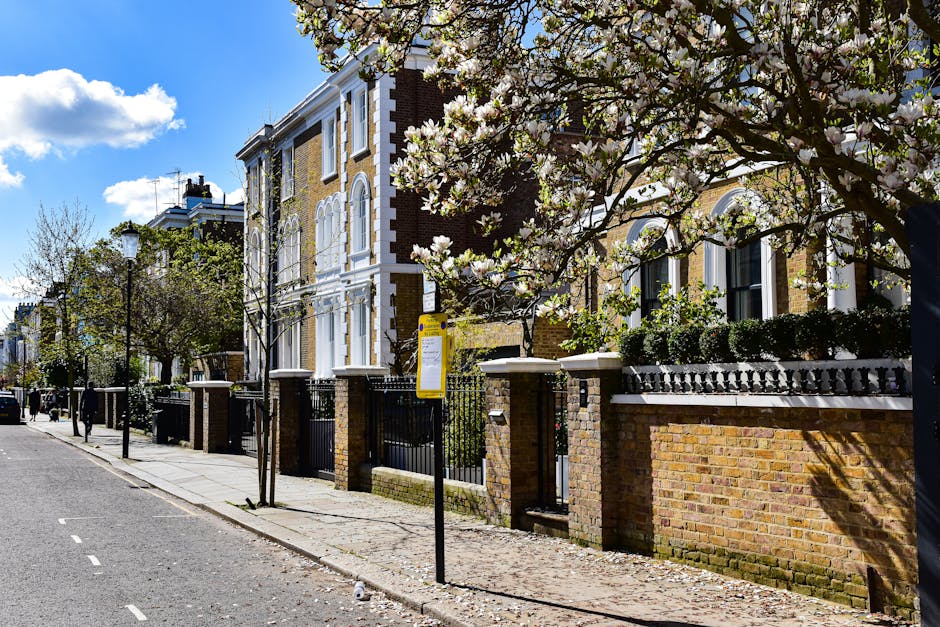
If you have ever wondered why a garden quote in Brompton can feel noticeably higher on streets like Fulham Road, you are not alone. It is a common question, and a fair one. The short answer is that the price is rarely just about mowing grass or trimming a hedge. It is about access, time, parking, equipment handling, client expectations, and the extra care needed in tightly managed, high-footfall London streets.
In practice, Brompton gardeners often work in an environment where every job takes a little more planning than it would on a quiet suburban road. That does not mean every higher quote is justified, of course. But there are real reasons premium streets can cost more, and once you understand them, the pricing starts to make a lot more sense.
This article breaks down the economics, the practical realities, and the hidden costs behind higher gardening rates in Brompton and nearby roads such as Fulham Road. You will also find a simple way to judge whether a quote is reasonable, plus a checklist you can use before you book.
Why this matters on streets like Fulham Road
Garden work is often priced as if the job begins the moment a gardener walks into the garden. On streets like Fulham Road, that is not really how it works. The job starts much earlier, with planning around vehicles, bins, narrow pavements, shared access, neighbours, and the simple fact that central or prime London streets can be awkward to work on.
That matters because labour is usually the biggest cost in any garden service. If a team spends 20 minutes finding safe loading space, another 15 minutes carrying kit from the van, and a further 10 minutes carefully moving through a building or courtyard, the appointment becomes longer and more expensive. It is not glamorous, but it is real. And time is money, as they say.
There is also a service expectation difference. Many clients on streets like Fulham Road want a cleaner finish, more punctual attendance, tidier presentation, and less disruption. That does not make them "fussy"; it is simply the norm in better-kept residential pockets. A gardener who works in that setting has to bring a different standard of professionalism, and that tends to show up in the rate.
For homeowners, landlords, managing agents, and busy professionals, this is important because a quote that looks expensive on paper may still be fair once the full picture is considered. The mistake is comparing it with a rural or low-access job. They are not the same thing at all.
Key takeaway: On Brompton's better-known streets, higher gardening prices are usually tied to access, timing, presentation, and risk management rather than the plant work alone.
If you are exploring broader service options, it can help to review the services overview and the company's pricing and quotes guidance before assuming one quote is "too much".
How the pricing works in real life
Most gardening quotes are built from a mix of visible and hidden inputs. The visible part is easy enough: lawn mowing, hedge trimming, clearance, planting, border work, or light landscaping. The hidden part is where the cost changes. On busy roads, especially where access is tight, the hidden part can be substantial.
Here is how a typical quote is often shaped:
- Access and parking: Can the gardener park close enough to unload tools without risking fines or delays?
- Job duration: Will the work take longer because of carrying equipment, moving waste, or working carefully around property boundaries?
- Complexity: Are there topiary shrubs, mature beds, heavy waste, tree work, or delicate surfaces involved?
- Repeat visits: Is this a one-off tidy-up or a regular maintenance schedule?
- Risk and responsibility: Does the job require extra insurance awareness, safer methods, or more careful handling of tools and materials?
That final point is easy to overlook. On a road like Fulham Road, the consequences of a small mistake can be bigger than on a quiet lane. A mower clipped against a stone edge, a trolley blocking a footpath, or waste left slightly untidy near a frontage can quickly turn into a complaint. So gardeners build in caution, and caution has a cost.
There is also a practical difference in equipment choice. Some jobs can be completed with compact tools; others need larger machines, extra bags, or more than one visit. If a garden needs both routine upkeep and a bit of structural reshaping, the quote may begin to resemble a mini project rather than a simple tidy. In those cases, services such as garden maintenance or landscaping may be more appropriate than a single one-off visit.
To be fair, the best local gardeners do not just price by instinct. They estimate travel time, setup time, waste handling, and the likelihood of snagging on something unexpected. A garden can look straightforward from the kerb and then, once inside, reveal a complicated little maze of pots, narrow passages, old decking, and overgrown corners. Happens more often than people think.
Key benefits and practical advantages
Higher pricing is not automatically a bad thing. In premium London streets, a better quote can sometimes signal a better result. What you are really paying for is reliability, discretion, and fewer headaches. And honestly, that can be worth a lot.
- More dependable scheduling: Experienced local gardeners tend to understand the rhythms of central and west London traffic, school runs, loading restrictions, and busy delivery windows.
- Cleaner, neater work: Properties on smart streets usually need tidier finishing, not just "job done" tidying.
- Better waste handling: Heavy bags, branches, and clippings may need a more organised clearance process.
- Reduced disruption: Good teams work faster and quieter, which matters when neighbours are close and windows are open.
- Less risk of damage: Care around paving, railings, facades, and planted areas matters more in high-value settings.
There is another advantage that rarely gets discussed: consistency. If you are paying more, you should expect the same person or team to understand your garden's quirks over time. Where the rosemary sits, which hedge overhangs, the patch that dries out fast in summer, the gate that sticks after rain. Tiny things, but they add up.
If your property includes larger or more demanding features, premium pricing may also reflect specialist capability. For example, a garden with mature trees, thick boundary hedging, or tired hard landscaping may need work that goes beyond simple upkeep. In those cases, relevant services like tree lopping and removal, hedge trimming, or even decking services can change the overall scope quite a bit.
Who this is for and when it makes sense
Not every customer needs a premium-priced gardener. Some gardens are genuinely simple: a small lawn, a few pots, and a light tidy once a month. But on streets like Fulham Road, the people most likely to benefit from a higher-standard service usually fall into a few groups.
- Busy homeowners: If you want the garden kept presentable without chasing missed visits, you need a service that runs smoothly.
- Landlords and agents: Presentation matters for inspections, viewings, and tenant turnover.
- Households with limited access: Tight entrances, basement gardens, and shared paths need careful handling.
- Properties with mature planting: Established shrubs, hedges, and trees take more skill than casual maintenance.
- Clients expecting a polished finish: If you want edges neat, waste removed, and surfaces left clean, that is a different level of service.
It makes sense to pay more when the alternative is paying twice. A cheap, rushed visit can leave clippings in borders, lawn edges rough, and hedges badly cut. Then you end up calling someone else to put it right. Seen it happen. It is one of those annoying little London lessons.
There is also a seasonal angle. In spring and early summer, gardens on prominent streets can get away from you quickly because growth is fast and a front garden can affect the whole look of a house. If you are preparing for guests, a sale, or a rental inspection, premium service can be less of a luxury and more of a sensible decision.
Step-by-step guidance
If you are trying to decide whether a higher quote is justified, use a simple process. It keeps things objective and stops you comparing apples with pears.
1) Identify the real scope of work
Start with the basics. Is it mowing, hedge shaping, garden clearance, border work, planting, or a bigger tidy-up? The more clearly you define the job, the easier it is to judge the price.
2) Check access conditions
Look at parking, entry paths, gate widths, stair access, and whether waste can be moved out without disrupting neighbours or passers-by. A job that looks small can become time-heavy very quickly.
3) Ask what is included
Does the quote include waste removal, edge finishing, bagging, loading, and sweeping down? Or is it a labour-only price? That difference matters more than most people think.
4) Compare like with like
Do not compare a one-off "emergency tidy" with a regular maintenance plan. A regular service is usually more efficient, while one-offs tend to cost more because the garden has been left to build up.
5) Consider the gardener's insurance and professionalism
A reliable company should be clear about safety and public liability cover, especially when working near buildings, clients, or shared access. You can review insurance and safety and the health and safety policy for a better sense of how a careful operation is run.
6) Decide whether regular upkeep is better than one-off rescue work
Truth be told, regular visits nearly always cost less than letting everything run wild and then paying for a heroic clear-up. If your garden is in decent condition now, a maintenance plan is usually the calmer choice.
Expert tips for better results
Here are the little things that separate a decent gardening experience from a genuinely good one. They are not complicated, but they matter.
- Book before the garden becomes urgent. Panic calls usually cost more and reduce your options.
- Share photos before the visit. Clear pictures of access points, problem areas, and waste help the gardener quote more accurately.
- Ask about regular intervals. Fortnightly or monthly maintenance often produces better value than irregular callouts.
- Be honest about access. If the van cannot park outside, say so. It saves everyone time.
- Keep boundaries clear. Move toys, bikes, and loose pots if possible. It speeds the job and reduces the chance of accidental damage.
- Clarify waste expectations early. Some clients want everything removed; others are happy for green waste to be left bagged. Different outcomes, different pricing.
A small but useful habit: walk your garden before the quote visit and note what annoys you most. Is it the hedge line? The weedy borders? The mossy edging? That focus helps a gardener price the job properly and avoids vague "can you just tidy everything" conversations, which can drift a bit. We have all had those.
If your priority is regular control rather than a full redesign, a service like lawn mowing paired with garden maintenance may offer much better value than ad hoc visits every few months.
Common mistakes to avoid
Most disputes about garden pricing come from mismatched expectations. The job itself may be fine; the assumptions around it are not.
- Choosing purely on price: The cheapest quote often leaves out time, waste, or finishing.
- Assuming every gardener works the same way: Some are maintenance-focused, others are project-focused, and some are better at one-off clearance than regular care.
- Ignoring access costs: If parking is difficult, the quote will reflect that one way or another.
- Not asking about waste removal: A low price can look less attractive when you still need to organise clearance separately.
- Booking a one-off when the garden clearly needs routine work: This is the classic false economy.
- Leaving old materials in place: Broken pots, timber, and mixed waste can slow a team down and increase the final bill.
One more thing. Do not assume a higher price means a gardener is being opportunistic. Sometimes it does, let's be honest. But quite often it simply means the job is harder than it first appears. The smart move is to ask what is driving the figure, not just whether it is higher.
Tools, resources and recommendations
You do not need a whole toolkit to make a better hiring decision, just a few practical resources and a bit of common sense.
Useful things to gather before requesting a quote
- Photos of the front and rear garden
- Approximate dimensions if you know them
- A list of must-do tasks and optional extras
- Notes on access, parking, and any shared entrances
- Whether you want waste removed or left neatly bagged
Helpful service pages to review
If your garden needs more than a quick tidy, it can help to review specific service pages before you speak to a gardener. For larger jobs, garden clearance is often the right place to start. If the property needs structural improvement or refreshed outdoor features, landscape gardening or broader landscaping may be more appropriate. And if the garden includes a tired or neglected edge, hedge and tree work can quickly change the scope, so keep that in mind.
What to ask the gardener
- What exactly is included in the price?
- Is waste removal included?
- How do you handle access and parking challenges?
- Do you offer regular maintenance visits?
- What happens if the job is larger than expected?
For some households, the most practical starting point is simply to understand the company's approach. Pages like about us and services overview can be surprisingly useful because they help you tell whether the business is geared toward careful local work or just quick turnover.
Law, compliance, standards and best practice
Gardeners working in London should take safety, property care, and waste handling seriously. The exact requirements depend on the job, the site, and the type of work involved, so it is wise not to overstate what applies in every case. Still, a few principles are standard good practice.
First, public safety matters. If a team is working on or near a busy street, equipment should be managed so that pedestrians, residents, and vehicles are not put at avoidable risk. That means sensible setup, tidy storage of tools, and clear movement of waste.
Second, insurance is a basic trust signal. If a gardener is dealing with ladders, cutting tools, heavy bags, or work near glazing and hard landscaping, you want to know they take responsibility seriously. That is part of why professional pricing can be higher on prestigious roads. The risk profile is just different.
Third, waste should be dealt with properly. Green waste, mixed waste, and timber offcuts should be handled according to the company's process, with recycling and sustainability in mind where possible. You can read more in the recycling and sustainability section if you want to understand that side of the service.
Finally, terms and expectations should be clear. A strong service provider will usually set out payment, cancellations, scope changes, and responsibilities upfront. That is not bureaucracy for its own sake. It simply avoids awkwardness later.
Options, methods and comparison table
If you are comparing gardening options in Brompton, the real choice is often between speed, frequency, and detail. Not all services are interchangeable.
| Option | Best for | Typical advantage | Possible downside |
|---|---|---|---|
| One-off tidy-up | Overgrown gardens, pre-sale prep, occasional clearances | Fast reset of a neglected space | Can be pricier if the garden has built up over time |
| Regular maintenance | Busy households, rented properties, front gardens | Better long-term value and consistency | Requires a schedule and ongoing commitment |
| Clearance-led visit | Heavy overgrowth, waste build-up, end-of-tenancy jobs | Removes the biggest problem first | May not include fine finishing or plant care |
| Landscape-focused project | Garden redesigns, layout changes, hard landscaping | Improves the structure and usability of the space | Usually costs more and takes longer |
In a place like Fulham Road, many clients end up choosing a blend: regular maintenance for the basics, plus the occasional project job when something bigger needs attention. That is often the most sensible long-term route. A bit boring, maybe. But boring can be efficient, and efficient is nice when life is busy.
Case study or real-world example
Here is a realistic example based on the kind of work local gardeners often see. A homeowner on a busy Brompton street has a small front garden, a narrow side path, and a back space with a hedge that has grown unevenly over one season. On paper, it sounds like a straightforward half-day job.
Once the team arrives, the reality is different. Parking is not easy. Equipment has to be unloaded carefully. The hedge requires precise trimming because it sits close to a neighbouring boundary. The path needs clearing without scattering clippings across the pavement. Waste has to be bagged and moved out in stages. And because the property fronts a prominent street, the finish has to look tidy from the road, not just from inside the gate.
The gardener's quote is higher than a quote for a similar-sized garden in a quieter location. But the client gets a better outcome: less disruption, a cleaner street-facing presentation, and work done without cutting corners. That is the real trade-off.
A few weeks later, the same client switches to a regular service, which lowers the per-visit stress and often softens the cost over time. That is usually how the best arrangements evolve. Not dramatic. Just practical.
Practical checklist
Use this before agreeing to a gardening quote on a premium street.
- Have I described the job clearly and honestly?
- Do I know what access and parking will be like?
- Is waste removal included or separate?
- Am I comparing the quote with like-for-like services?
- Would regular maintenance be better value than a one-off visit?
- Have I checked the provider's safety and insurance approach?
- Do I know whether the result should be basic tidy or premium finish?
- Have I asked how unexpected extra work would be priced?
- Is this the right time of year to book the work?
- Have I reviewed the company's payment and terms information?
If most of those answers are clear, you are in a much better position to judge the quote fairly. And if several answers are fuzzy, the price may simply reflect uncertainty. That can be solved with better information, not guesswork.
Conclusion
Brompton gardeners charge more on streets like Fulham Road for a mix of practical reasons: more difficult access, more time spent on setup and cleanup, higher presentation expectations, greater care around property and public space, and sometimes a more specialist level of work. The quote is rarely only about the plants.
That does not mean every high price is right. It means you need to look deeper than the headline number. Ask what is included, how access affects the job, whether waste removal is part of the quote, and whether you need routine maintenance or a one-off rescue. Once you do that, the pricing usually becomes much easier to understand.
For many households, the smartest approach is not to chase the cheapest gardener but to find the one who will do the job properly, quietly, and without creating extra hassle. On a street like Fulham Road, that peace of mind can be worth the premium.
Get a free quote today and see how much you can save.
Frequently Asked Questions
Why do gardeners in Brompton charge more than in other parts of London?
Usually because the jobs take more time and care. Access can be harder, parking may be limited, and the expected finish is often higher. Those things increase labour and planning costs.
Is the higher price just because Fulham Road is a wealthy street?
Not really, or not only. Wealthy areas often come with more demanding service expectations, but the cost is mainly driven by practical issues like access, time, and the level of finish required.
What makes a garden job more expensive on a busy road?
Parking delays, carrying tools further, narrow entrances, waste handling, and the need to work carefully around pedestrians and neighbouring properties all add to the price.
Should I expect waste removal to be included?
Not always. Some quotes include bagging and removal, while others only cover labour. Always ask directly, because this can change the final figure quite a bit.
Are regular maintenance visits cheaper than one-off jobs?
Most of the time, yes. Regular visits prevent overgrowth and keep work manageable. One-off jobs often cost more because the garden has been left to build up.
How can I tell if a gardening quote is fair?
Compare what is included, check the access conditions, and ask how the provider handles waste, timing, and unexpected extras. A fair quote should make sense once those points are clear.
Do premium gardens need specialist gardeners?
Sometimes, yes. If the garden has mature hedges, trees, hard landscaping, or delicate finishes, a more experienced gardener is usually the safer choice.
What should I ask before booking a gardener in Brompton?
Ask about scope, access, waste removal, timing, safety, and whether the work is a one-off or part of a maintenance plan. Those five minutes can save a lot of confusion later.
Can a cheaper gardener do the same work?
Occasionally, but not always to the same standard. A lower quote may exclude important elements like cleanup, disposal, or careful finishing. Cheap can be fine. Cheap and vague is where trouble starts.
Does a higher price always mean better quality?
No. Higher pricing should be justified by clear reasons, not used as a badge of quality. The real test is whether the gardener explains the quote sensibly and delivers consistent results.
What if my garden seems small but the quote is still high?
Small gardens can still be awkward. A tight entrance, difficult parking, or lots of careful detail can make a small space more expensive than a larger, easier one.
Where can I learn more about the services and company standards?
Start with the services overview, then review about us, insurance and safety, and pricing and quotes for a clearer picture of how the company works.